Europe Travel Guide
Browse by region…


How to Plan the Perfect Europe Trip: The Ultimate Guide
After living in four European countries and visiting 50+ more across the continent, I’ve learned a thing or two about planning the perfect Europe trip. Whether you’re backpacking through hostels, studying abroad for a semester, or planning a dream vacation, this Europe travel guide will walk you through everything you need to know to plan an unforgettable European adventure.
When to Visit Europe
Timing can make or break your Europe trip. Here’s what you need to know about each season:
Spring (March – May)
Pros: Mild weather, fewer crowds than summer, flowers blooming, shoulder season prices
Cons: Can still be chilly in Northern Europe, occasional rain
Best for: City breaks, tulip season in the Netherlands, avoiding peak tourist season
Spring is one of my favorite times to explore Europe. The weather is pleasant, tourist sites aren’t overwhelmed, and you’ll get better deals on accommodation. If you’re visiting during this season, don’t miss the tulip fields in the Netherlands.
Summer (June – August)
Pros: Best weather, longest days, festival season, everything is open
Cons: Highest prices, massive crowds at major attractions, uncomfortably hot in Southern Europe
Best for: Beach destinations, outdoor activities, backpacking through multiple countries
Summer is peak season for a reason – the weather is incredible and the energy is unmatched. Just be prepared for crowds and higher prices.
Fall (September – November)
Pros: Beautiful autumn colors, shoulder season pricing, harvest season (wine!), fewer tourists
Cons: Weather can be unpredictable, some attractions start closing for winter
Best for: Wine regions, city exploration, cultural experiences
Fall might actually be the BEST time to visit Europe if you can swing it. You get good weather without the summer crowds, and cities like Paris are absolutely magical with autumn colors.
Winter (December – February)
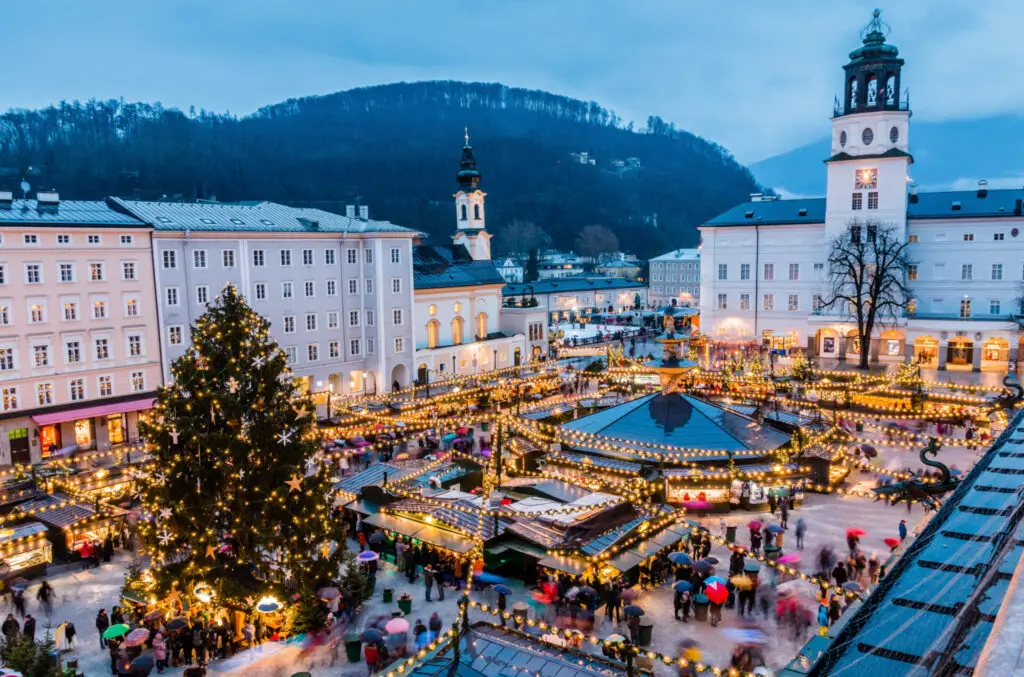
Pros: Christmas markets, winter sports, lowest prices, romantic atmosphere
Cons: Short days, cold weather, some coastal attractions closed
Best for: Christmas market hopping, skiing, major cities
Winter Europe is underrated! Yes, it’s cold, but the Christmas markets are absolutely worth bundling up for. Plus, you’ll have museums and major sights practically to yourself. Just make sure you pack properly and check out my winter packing list for Europe.
How to Budget for Europe
Let’s talk money. Europe can be expensive, but it doesn’t have to break the bank if you plan strategically.
Daily Budget by Travel Style
Budget Backpacker: €40-70/day
- Hostel dorms
- Cook most meals
- Free activities and museums
- Local transportation
Mid-Range Traveler: €100-150/day
- Private hotel rooms or Airbnb
- Mix of restaurants and self-catering
- Paid attractions and tours
- Some taxis/Ubers
Luxury Traveler: €200+/day
- Nice hotels
- Dining out for most meals
- Private tours
- Comfortable transportation
Cost by Region
Most Expensive: Switzerland, Norway, Iceland, Scandinavia
Moderate: Western Europe (France, Germany, UK, Spain, Italy)
Budget-Friendly: Eastern Europe (Poland, Czech Republic, Hungary, Balkans)
Pro tip: Mix expensive and cheap destinations! Spend a few days in Paris or Amsterdam, then head toPoland or the Balkans where your money stretches much further.
Money-Saving Tips
I’ve learned these the hard way after years of European travel:
- Buy museum passes – If you’re visiting multiple museums in cities like Paris or Rome, passes save money AND time
- Take advantage of free walking tours – These are available in almost every European city
For more detailed money-saving strategies, check out my 5 best travel tips for saving money.

Planning Your Itinerary
This is where most people get overwhelmed. Europe has SO MUCH to see – how do you choose?
How Much Time Do You Need?
1 Week: Focus on 1-2 countries maximum (example: Paris + Amsterdam, or Barcelona + Madrid)
2 Weeks: 2-4 countries with good variety (check out my 2-week Europe itinerary)
3-4 Weeks: You can cover significant ground or go deep in one region (perfect for backpacking Europe)
Regional Deep Dives
Instead of country-hopping, maybe consider focusing on one region:
Spain Focus (2-3 weeks): I lived in Spain and it’s one of my favorite countries to explore deeply. You could easily spend:
- Madrid (4-5 days) + day trips
- Barcelona (4-5 days) + day trips
- Valencia (3-4 days) + day trips
- Andalusia (5-7 days): Seville, Granada, Málaga
- Canary Islands (1 week)
Italy Focus (2-3 weeks): The ultimate Italian itinerary covers the major cities plus hidden gems
Getting Around Europe
Europe has incredible public transportation. Here’s how to navigate it:
Flying vs. Trains vs. Buses
Budget Airlines (Ryanair, EasyJet, Wizz Air):
- Best for: Long distances (3+ hours by train), reaching islands or remote areas
- Watch out for: Hidden fees, far-out airports, baggage restrictions
- Book: 2-3 months in advance for best prices
Trains:
- Best for: City center to city center, scenic routes, comfort
- Cost: Can be expensive without advance booking
- Recommended: Paris to anywhere in France, Germany’s ICE trains, Italy’s high-speed trains
- Book: RailEurope.com or national railway websites
Buses (FlixBus, BlaBlaBus):
- Best for: Budget travel, overnight journeys
- Pros: Very cheap, comfortable enough
- Cons: Slower than trains
Eurail Pass: Only worth it if you’re doing LOTS of train travel. Keep in mind that Eurail covers the cost of the ticket but does NOT cover a seat reservation. Sometimes it’s free, sometimes it’s another hefty charge (Eurostar for example).
City Transportation
- Download city transport apps – Most European cities have great apps for buses/metro
- Get day passes – Usually break even after 3-4 trips
- Walk whenever possible – European cities are made for walking, and you’ll discover the best neighborhoods this way
Where to Stay
Hostels
Best for: Solo travelers, budget travelers, meeting people
Cost: €15-40/night for a dorm bed
Not all hostels are party hostels! Many are quiet, clean, and perfect for solo travelers. I’ve had some of my best travel experiences staying in hostels. Check out my best hostels for solo travelers in Europe.
Top picks: Generator Hostels (multiple cities), St. Christopher’s Inn (London, Paris), Plus Hostels (various)
Hotels & Guesthouses
Best for: Couples, those wanting privacy, older travelers
Cost: €60-150+/night
Booking tip: Use Booking.com for easy cancellation policies, but always check the hotel’s direct website – sometimes you’ll get a better rate.
Airbnb
Best for: Longer stays (5+ nights), groups, wanting a local experience
Cost: Varies wildly
When it makes sense: Renting an apartment in expensive cities like Paris or Barcelona can save you money if you cook some meals. It’s also great for getting a real feel for residential neighborhoods.
Where to Stay in Major Cities
Paris: The Marais (central), Latin Quarter (charming), Montmartre (romantic but hilly)
Barcelona: Gothic Quarter (central), Gràcia (local), Barceloneta (beach)
Rome: Trastevere (charming), Monti (hip), near Termini (convenient but less charming)
Amsterdam: Jordaan (charming), De Pijp (local), Museum Quarter (convenient)

What to Pack
After living in Europe for years, I’ve learned what you actually need:
Essential Items
Clothing:
- Comfortable walking shoes (you’ll walk 15,000+ steps/day)
- One “nice” outfit for restaurants/clubs
- Layers
- Rain jacket
- See my complete winter packing list if visiting November-March
Tech:
- Universal adapter (Type C plugs in most of Europe, Type G in UK/Ireland)
- Portable charger
- Phone with international plan or local SIM
Documents:
- Passport (valid 6+ months)
- Travel insurance details
- Digital copies of everything
Best Travel Backpack: I’ve tested dozens and have strong opinions – see my guide to the best backpack for Europe travel.
What NOT to Pack
- Too many shoes (pick 2 pairs max)
- Bulky coat (layer instead)
- Your whole wardrobe (you can do laundry!)
- Excessive toiletries (buy there if needed)

Practical Tips & Cultural Insights
After years of living in Europe, here are the cultural differences you need to know (a lot of this I’m comparing with American culture):
General Cultural Tips
- Learn basic pleasantries in each language
- Water isn’t free in most restaurants
- Tipping is much less than US (5-10% is generous but it’s normal to not leave anything)
- Service is usually much slower than in the US
- Many stores close on Sundays
- Legal drinking age is 18 (sometimes 16 for beer/wine)
Important: Check out my do’s and don’ts of standing out as an American in Europe for more cultural insights.
Language Tips
You don’t need to be fluent, but learning basics goes a long way:
- Hello, please, thank you, excuse me
- Do you speak English?
- Where is…?
- How much?
Most English-friendly: Netherlands, Scandinavia, Germany
Less English-friendly: France, Spain, Italy, Eastern Europe
My 10 top tips for learning a language will help if you want to pick up more.
Safety
Europe is generally very safe, but use common sense:
- Watch for pickpockets in tourist areas (Barcelona, Paris, Rome)
- Don’t flash expensive items
- Be aware of common scams (fake petitions, trying to put a bracelet on your wrist, overcharging taxis)
- Solo female travelers: Check my guide to first-time solo female travel
Common Mistakes to Avoid
Learn from my errors so you don’t have to make them yourself:
Planning Mistakes
❌ Trying to see too much
→ Pick fewer destinations and actually experience them
❌ Assuming all of Europe is the same
→ Spain and Poland have VERY different cultures, costs, and vibes
❌ Only visiting capital cities
→ Some of the best experiences are in smaller cities and regions
Money Mistakes
❌ Using credit cards without notifying your bank
→ Your card will get frozen at the worst moment
❌ Exchanging money at airports
→ Terrible rates. Use ATMs instead
Solo Travel Resources
Traveling alone? I’ve got you covered:
- Guide to first-time solo female travel
- Best hostels for solo travelers in Europe
- Top 10 countries for solo travelers
- Beginner’s guide to backpacking Europe
Living Abroad Resources
Thinking about studying or moving to Europe? Check my complete guide to living abroad in Europe for visas, housing, cultural adaptation, and everything else you need to know.
Frequently Asked Questions
Ready to Plan Your Europe Adventure?
Europe is waiting for you, and honestly, planning the trip is half the fun! Start with the basics:
- Pick your dates based on seasonal considerations
- Set your budget and choose destinations accordingly
- Book flights 2-3 months out
- Plan your rough route (don’t overpack the itinerary!)
- Book accommodation especially for peak season
- Research key activities but leave room for spontaneity
And remember: No trip is perfect, things will go wrong, and that’s part of the adventure. Some of my best travel memories came from unexpected detours and mistakes.
Need more help? Explore my destination-specific guides, or feel free to reach out with questions. I love helping people plan their dream Europe trips!
Happy travels,
Jori
More Resources
Or view all posts ⬇️
-
What to Wear in Spain in the Summer: The Essential Spanish Girl Packing List
After living in Spain, I learned that Spanish women have mastered the art of looking effortlessly chic in 40°C heat (100°+ F) . Here’s your guide to…
-
Complete Guide to Diving with Bull Sharks in Playa del Carmen
After visiting 50+ countries and trying some of the world’s most thrilling adventures, diving with bull sharks in Playa del Carmen ranks as one of my most…
-
Best Backpack for Travel in Europe: From a Real Traveler
When you’re getting ready for your trip, you need the best backpack for travel in Europe. The travel backpack should be comfortable and designed to avoid back…
-
Guide to First Time Solo Female Travel
Your first traveling alone can be scary, especially as a woman. However, there are women all over the world who are doing it and living their best…
-
Belgium | France | Germany | Italy | Netherlands | Spain | Travel Guides | Travel Tips | UK | Western Europe
The Essential Winter Packing List for Europe
This winter packing list for Europe will provide inspiration for your upcoming trip, or if you’re just trying to integrate different styles into your life! Winter, as…
-
Study Abroad Gift Guide: 10 Gifts for a Friend Going Abroad
After hours of searching and scouring the internet far and wide, I have found many unique but useful travel items for every type of traveler! The holiday season is approaching so be sure and save this post to come back later. This is my list of the best gifts for the traveler in your life.
-
10 Essential Beauty Products for Travel
Although I would sometimes like to, it’s really impossible to bring all the beauty products for travel that I would like to. That’s why I pick out…
-
The Do’s and Dont’s of Standing Out as an American in Europe
As Americans, we have many cultural differences from our friends on the other side of the world and let’s just say, we tend to stand out! Normally,…
-
Beginner’s Guide to Backpacking Europe
Planning a backpacking trip in Europe may be daunting at first, but can easily be done once you know the ropes! This Beginner’s Guide to Backpacking Europe…
-
The Ins and Outs of Train Travel in Europe
The train travel system in Europe is AMAZING, but definitely takes some getting used to. This guide will help you figure out how to book, what is the best transportation option for you, and other tips and tricks you should know.
-
The Ultimate Packing List for Mexico
A quick guide to everything you may need or have forgotten on your packing list for Mexico! Use this list and download the printable packing checklist to…
-
10 Top Tips for Learning a Language
Have you always wanted to learn a language but keep getting discouraged? These are my best tips for learning a language fast, through speaking, understanding, and writing….
-
Best Hostels for Solo Travelers in Europe
Finding great hostels for solo travelers can be downright difficult! You need the perfect mix of social and relaxed, so I’ve compiled this list of the very best hostels for solo travelers in Europe.
-
Best gifts for the traveler in your life
After hours of searching and scouring the internet far and wide, I have found many unique but useful travel items for every type of traveler! The holiday season is approaching so be sure and save this post to come back later. This is my list of the best gifts for the traveler in your life.
-
Top 10 Countries for Solo Travelers
After solo traveling 55 countries, these are my top picks for the best countries for solo travelers, based on the ease of access to transportation, the welcoming…
-
9 Must-Have Items for Every Type of Traveler
Speaking from personal experience, these are the most useful items that I believe every traveler should have– simply because they make your life so much easier!
-
Essential Apps that Every Traveler Needs
The most essential apps that I use for every trip I take. From planning to budget saving to booking, these apps are the absolute best!
-
5 of the Best Travel Tips for Saving Money
Hey, traveling is just like any hobby and costs a lot in the long run. I’ve picked up some tips here and there that I’d love to share with you.